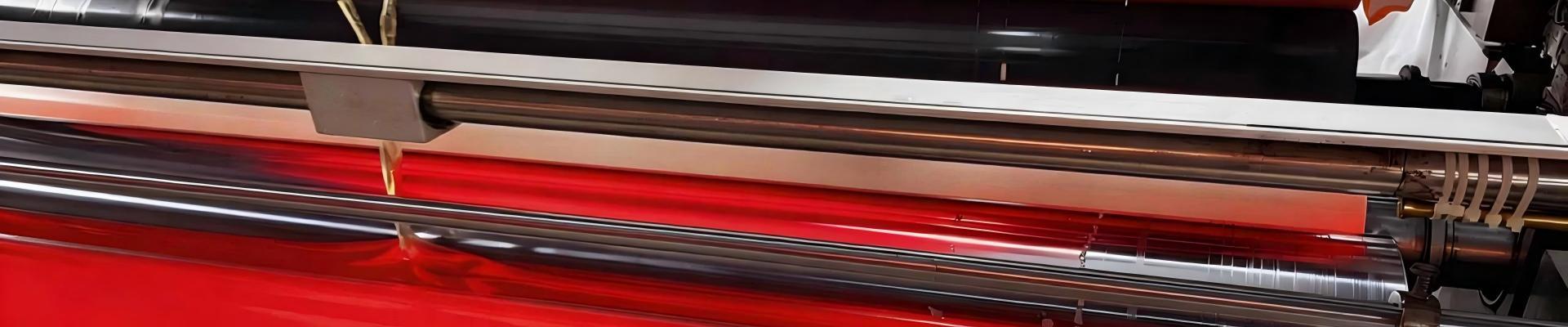
In the landscape of modern commerce, if products represent the soul, then packaging serves as their essential physical form. As you walk through supermarket aisles, the transparent films wrapping snacks, household items, textiles, and even electronic components often go unnoticed. Yet this seemingly ordinary material—biaxially oriented polypropylene (BOPP) film, typically just microns thick—forms the foundation of modern flexible packaging. It serves not only as a visual showcase but also as a quality guardian for global supply chains.
Chapter 1: The Molecular Ballet – Manufacturing as Precision Art
The creation of BOPP film represents a meticulous reconstruction of polymer physics. The core innovation lies in biaxial orientation—not simple mechanical stretching, but a sophisticated realignment of polypropylene molecular chains.
1. Melting and Extrusion: The Chaotic Beginning
Production begins with polypropylene resin pellets melting in high-temperature extruders. The molten polymer flows through precisely engineered T-dies, forming uniform sheets. At this stage, the molecular chains remain in disordered, entangled configurations.
2. Cooling and Solidification: The Critical Setting
The extruded film rapidly cools on chilled rollers, determining crystallization levels that affect subsequent stretching uniformity.
3. Biaxial Orientation: Two-Dimensional Transformation
This process forms the film's soul. First, longitudinal stretching aligns molecules along the machine direction. Then transverse stretching forces molecular chains into planar orientation under high temperatures. This dual stress creates exceptional strength, clarity, and dimensional stability.
4. Corona Treatment and Winding: Surface Activation
As polypropylene naturally resists inks and adhesives, high-voltage corona treatment modifies surface molecular structures, enabling perfect adhesion for printing and lamination.
Chapter 2: Performance Dimensions – Why BOPP Dominates Industry
BOPP's market leadership stems from its multidimensional performance and cost efficiency.
- Visual Excellence: With exceptional light transmission and minimal haze, BOPP showcases products with crystal clarity, enhancing perceived value.
- Mechanical Strength: The orientation process creates remarkable tensile strength, enabling high-speed packaging operations and protecting goods during logistics.
- Barrier Properties: Excellent moisture resistance preserves food freshness, while coatings can improve gas barriers, extending shelf life.
- Chemical Stability: Resistance to solvents and acids makes BOPP suitable for diverse applications from food to medical packaging.
Chapter 3: Sustainable Transformation
In the era of carbon neutrality, BOPP's environmental profile undergoes reevaluation.
- Lightweighting: Compared to paper or glass, BOPP's minimal weight reduces material use and transportation emissions.
- Recyclability: As a single-component material, BOPP facilitates physical recycling. Industry initiatives promote mono-material solutions to address plastic waste challenges.
- Production Efficiency: Compatibility with high-speed packaging machinery enhances operational productivity throughout supply chains.
Chapter 4: Future Horizons – Technological Possibilities
Emerging technologies promise exciting developments:
- Functional Integration: Anti-static, anti-fog, and antimicrobial coatings may enable smart packaging applications.
- Enhanced Barriers: Nano-coatings could match metal foil's protection while remaining recyclable.
- Bio-Based Alternatives: Research into biodegradable polypropylene may enable fossil-fuel-free BOPP production.
Conclusion
Biaxially oriented polypropylene film represents an underappreciated marvel of industrial engineering. Its molecular precision supports global packaging markets worth trillions. From retail displays to logistical resilience, BOPP continues defining flexible packaging's future through balanced performance, economy, and sustainability—a testament to humanity's pursuit of industrial excellence.


 ¡Su mensaje debe tener entre 20 y 3.000 caracteres!